木 (mù): the Chinese character for tree and wood
木 (mù) is the Chinese character for tree and for wood. It is written with 4 strokes and pronounced mù in the fourth tone, falling. It began as a picture of a tree with branches above and roots below, and it appears in words such as 木头 (wood) and 树木 (trees).
- Pinyin
- mù
- Tone
- fourth tone (falling)
- Meaning
- tree; wood
- Strokes
- 4
Video: 木 from picture to character
About 35 seconds, with sound. You will hear 木 read aloud, see the picture turn into the character, and get two example words to repeat.
Where the shape of 木 comes from
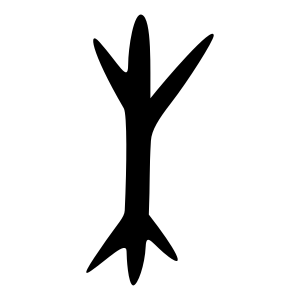
木 is a pictograph of a tree. Early forms show a trunk with branches reaching up at the top and roots spreading out at the bottom.
How to say 木
木 is pronounced mù, in the fourth tone (falling). Listen to it in the video above and say it out loud a few times.
How to write 木: stroke order
木 has 4 strokes. Write the horizontal stroke first, then the vertical stroke through it, then the sweeping stroke to the left, and the sweeping stroke to the right last.
- 1
- 2
- 3
- 4
Common words with 木
| Word | Pinyin | Meaning |
|---|---|---|
| 木头 | mùtou | wood (the material) |
| 树木 | shùmù | trees |
| 木板 | mùbǎn | wooden board, plank |
| 森林 | sēnlín | forest |
| 木星 | Mùxīng | Jupiter (literally “wood star”) |
Good to know
In modern Chinese the everyday word for a tree is 树 (shù). On its own, 木 usually refers to wood.
木 is a building block in many characters to do with trees and wooden things, such as 桌 (zhuō, table) and 椅 (yǐ, chair). 林 (lín, woods) is traditionally explained as two trees side by side, and 森 (sēn, as in 森林, forest) as three.
Quiz: test yourself on 木
5 quick questions. Pick one answer for each, then check your score.